Private Botswana Safari | Safari Adventures Worldwide

Private Botswana Safari

A fully customized, private Botswana safari is without a doubt one of the greatest travel adventures in the world. The wildlife viewing opportunities in the Okavango Delta are beyond compare, with the iconic Big Five in abundance—including lion, leopard, elephant, rhino and buffalo. Many a world traveler, having crisscrossed the globe, would consider Botswana the culmination of a life-long dream.

The owners of Safari Adventures Worldwide were pioneers in the development of the safari industry in Botswana. In 1974 they moved to Botswana from Zimbabwe and worked tirelessly with the Botswana Government and local communities, sharing the benefits of ecotourism. Their vision was to create value for local communities and the country by taking people on life-changing journeys while at the same time maximizing the positive impact on biodiversity conservation.

Located in Southern Africa, Botswana is landlocked by neighboring Namibia, South Africa, Zimbabwe and Zambia. Nearly 40% of the country has been designated as national parks and wildlife reserves.

Botswana’s most distinctive feature is the Okavango Delta, and an Okavango Delta safari is a once-in-a-lifetime experience not to be missed. One of the largest inland deltas in the world, its scale and magnificence have secured it a position as one of the Seven Natural Wonders of Africa and is inscribed on the UNESCO World Heritage List. Each year, fresh rainwater flows down from Angola, into this Delta to create a wetland and wildlife wonderland unlike anywhere else on earth. It supports a huge diversity of wildlife year-round that makes for the most glorious game-viewing experience. Some of the animals you will likely encounter on your Okavango Delta safari include elephant, lion, leopard, buffalo, giraffe, hippo, crocodile, the elusive sitatunga, and a host of plains game. In addition, with nearly 600 bird species Botswana offers unique opportunities for bird lovers as well.

In the northeast are the Chobe National Park and Linyanti reserves which possess diverse habitats that include marshes, waterways, riverine forest and dry woodlands: the perfect environment to attract large concentrations of game, particularly elephant and buffalo and all the predators.

To the South lies the Kalahari Game Reserve, one of the biggest protected areas in Africa. A Kalahari Desert safari, while not as well known as some other areas of Botswana, can offer a truly off-the-beaten-path experience. The Kalahari Plains are home to the black-maned lion and some of the best cheetah viewing in the world, particularly in the summer months when huge herds of springbok, oryx and wildebeest attract predators from all corners of the desert. At first sight, this environment appears a barren desert of rolling sand dunes but closer examination reveals grasslands, bush, scrub, tree savannah, dry riverbeds and rocky outcrops, ideal habitat for gemsbok, springbok, brown hyena, and hartebeest. During the dry season, the days are cloudless and the early mornings and evenings are cool, perfect for a safari. This arid, starkly scenic landscape is an amazing contrast to the Okavango Delta but a jewel in itself.

Climate in Botswana

The rainy season is from December to March with temperatures ranging from 18°C to 33°C (64 °F to 91°F) and the long dry season from April to November with temperatures of 6°C to 22°C (42°F to 72°F).

Botswana Safari

Botswana Safari

Botswana Safari

Botswana Safari

Suggested Custom, Private Botswana Safari Activities

  • Walk in the pristine wilderness of Moremi National Park
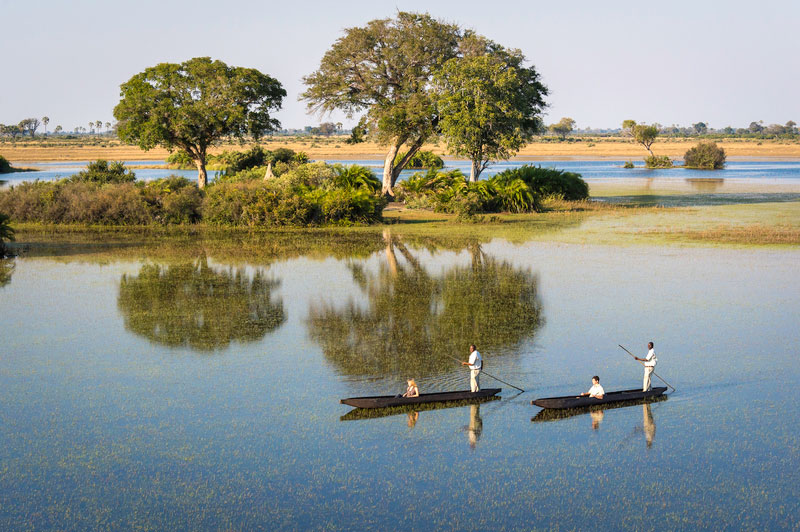
  • Serenely glide through the waters of the Okavango Delta in a Makoro
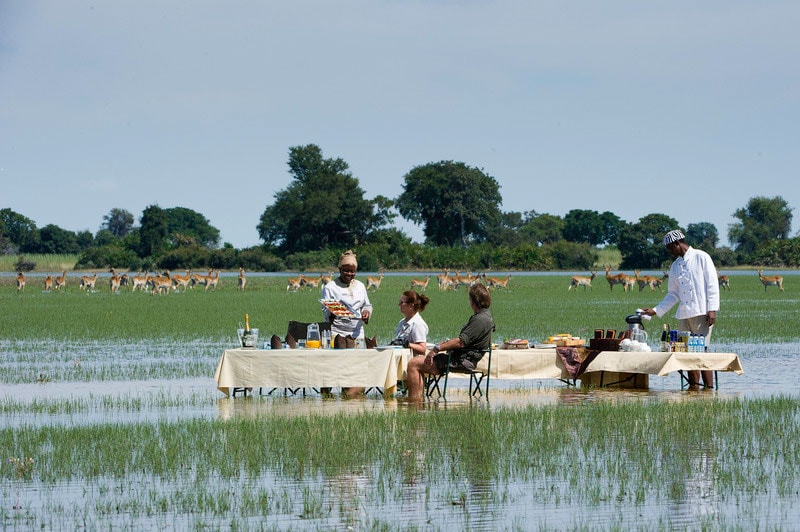
  • Splash through the waters of the Okavango Delta on horseback cantering next to a herd of Impala
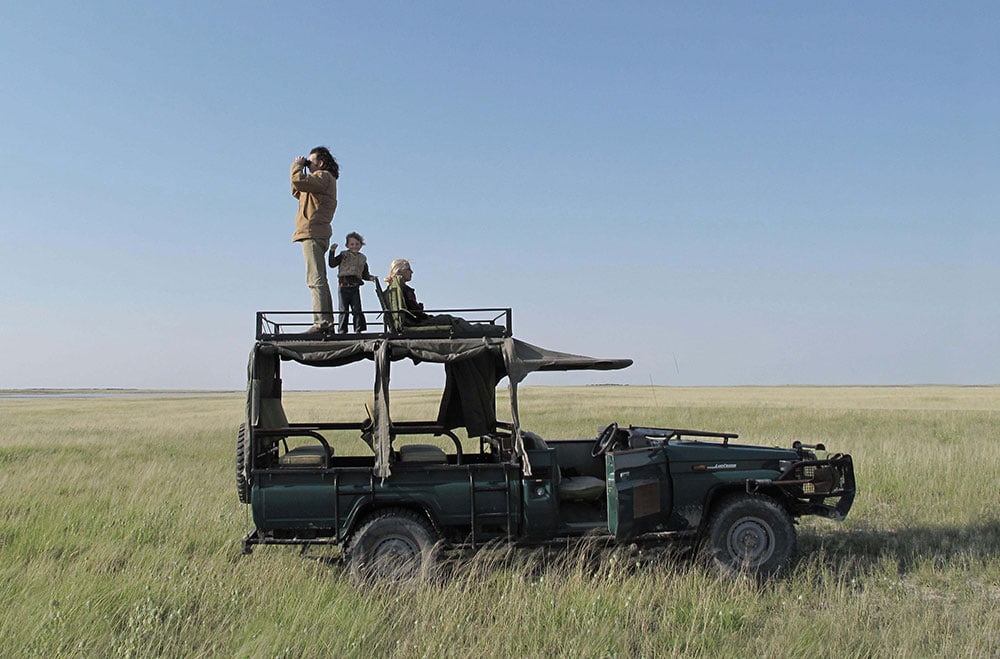
  • Explore the vast and unspoiled pans of the Makgadikgadi on a Kalahari Desert safari
  • Visit the native San bushman as part of your Kalahari Desert safari
  • Watch the vast array of wildlife unfold before you on an Okavango Delta safari
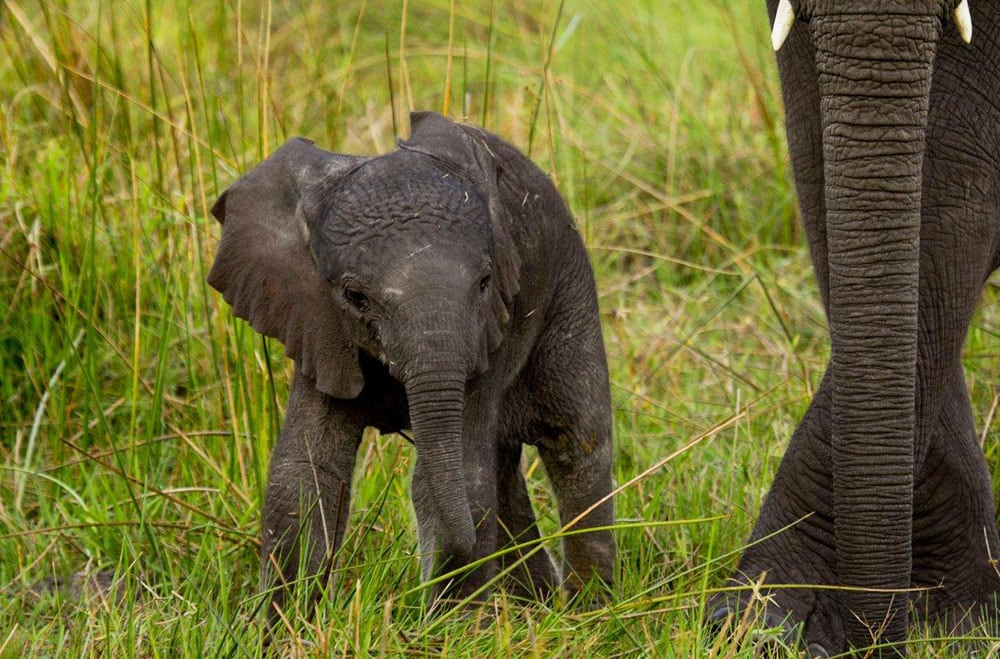
  • Accompany a family of elephant for a walk in the wilderness at Abu Camp

Botswana Trip Ideas - Sample Safari Itineraries

Botswana Premier Safari

Botswana Premier Safari

Botswana Classic Safari

Botswana Classic Safari

Zimbabwe & Botswana Riding Safari

Zimbabwe & Botswana Riding Safari

South Africa & Botswana Safari

South Africa & Botswana Safari

charles-williams-and-sarah-fernandes-safari-experts

Our family has been completely immersed in African wildlife conservation and safari planning since 1962. We offer unmatched expertise, knowledge and experience. Contact us today to plan your private, fully customized Botswana safari.

Plan Your Dream Safari Now

Botswana Safari FAQs

  • Botswana is renowned for its pristine wilderness, with large, relatively undisturbed ecosystems and sparse human population density.
  • The country has a strong conservation ethos: policies favor low-volume, high-impact tourism, which means fewer crowds and more exclusive experiences.
  • Some of its signature safari experiences include the Okavango Delta’s waterways and palm covered islands (mokoro, boat safaris, seasonal flooding), the large elephant herds of Chobe, Savuti, Linyanti, remote Kalahari areas and the Makgadikgadi salt pans.
  • Dry season (May to October): This is generally considered prime safari season. Vegetation thins, animals concentrate around water sources, visibility is good, and many lodges are fully operational.
  • Peak months: June, July, August and September are particularly excellent for wildlife viewing and for visiting places like the Okavango Delta, Moremi Game Reserve, and the Chobe which includes the Savuti/ Linyanti ecosystems.
  • Green / Wet season (roughly November to March / April): Vegetation is lush, landscapes are dramatic, it’s excellent for birding, and you’ll see many young animals. Downsides include more rain (making some roads or areas harder to access) and sometimes some camps closing temporarily.
  • Shoulder seasons (April-May & late October / early November): Good compromise times—fewer crowds, some green landscapes, and still good wildlife viewing, especially in transitional zones.

Here are some of the key regions and recommendations:

Region / Park Highlights Suggested Duration
Okavango Delta Water-based safari (mokoro, boat), huge biodiversity, remote camps, dramatic flood dynamics, day and night game drives, bush walks. Minimum 3-4 nights; 5-7 nights gives time to stay in more than one camp / concession to experience both high-flood and drier zones.
Chobe National Park (which includes Savuti/Linyanti) Massive elephant herds, riverfront views, boat safaris, good access (especially from Victoria Falls). 3-4 nights works well, possibly more if combining with Victoria Falls.
Moremi Game Reserve Among the richest wildlife areas in the Delta; offers a mix of habitats. 3-4 nights if coming from Okavango, or longer if staying in-depth.
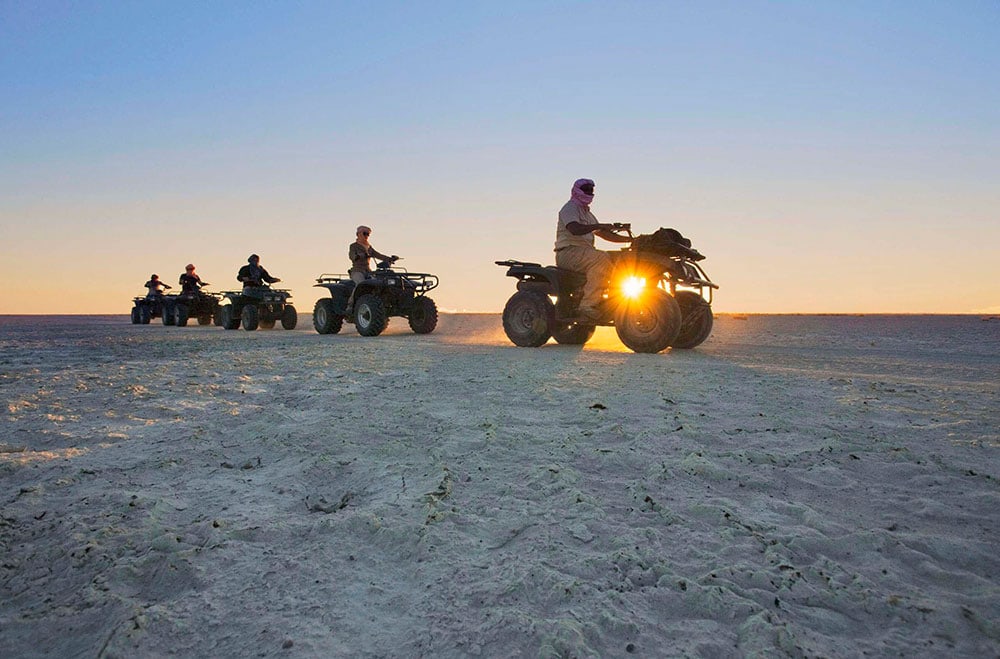
Makgadikgadi Pans & Nxai Pan Salt pans, zebra migrations (seasonal), surreal landscapes, excellent for photography and stargazing. 2 nights minimum; longer if wanting to explore the Pans properly and enjoy the nature walks or quad bike / cultural visits.
Central Kalahari Game Reserve / Kgalagadi Transfrontier Park Vast open spaces, predator sightings, special species adapted to arid environments, fewer tourists. 2-3 nights to maximize game drive opportunities.
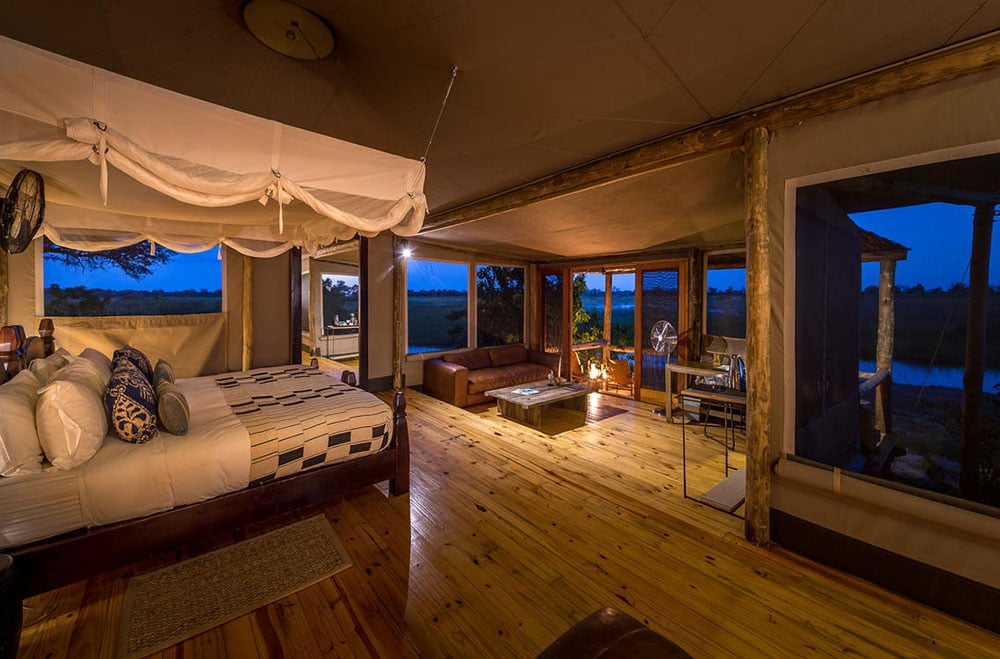
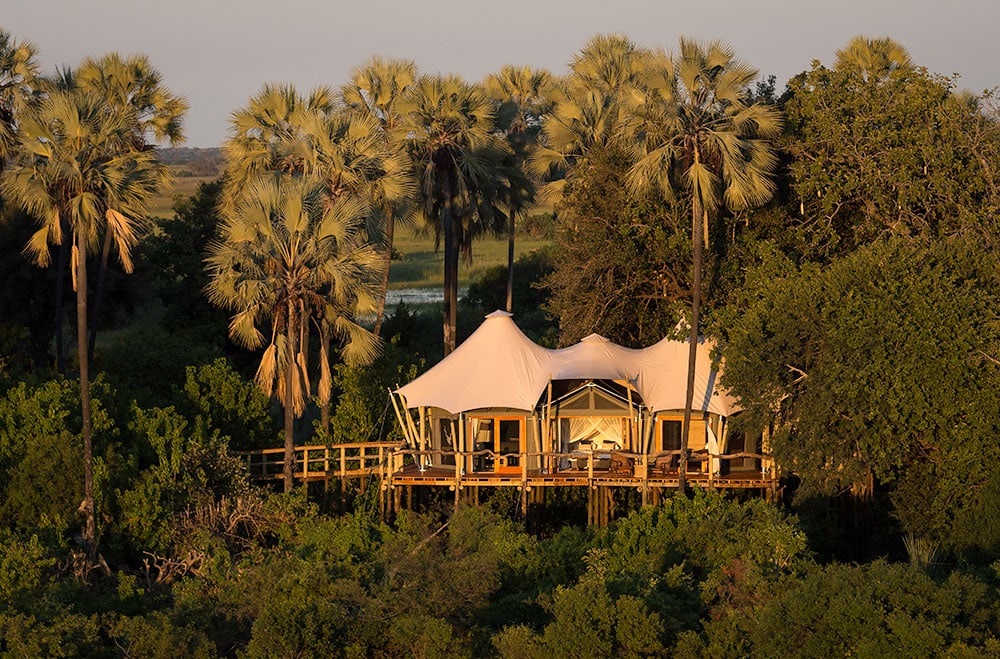
  • Luxury lodges and high-end tented camps: often very remote, high comfort, excellent service, gourmet meals, sometimes with amenities like private pools, spas, raised decks, etc.
  • Mid-range camps / lodges: good comfort, quality guide service, may have less infrastructure, but still high quality.
  • Mobile camps / seasonal camps: often set up depending on flood levels, migrations, or certain seasonal events. These can offer more immersive wilderness experience but may have more basic amenities.

Accommodation pricing usually varies significantly by season: high season (dry months) is most expensive; low / green season sees lower rates. Some camps close during wettest parts of the year.

  • The Big Five (lion, leopard, elephant, buffalo and occasionally rhino) are possible in many regions, especially in well-managed reserves and private concessions.
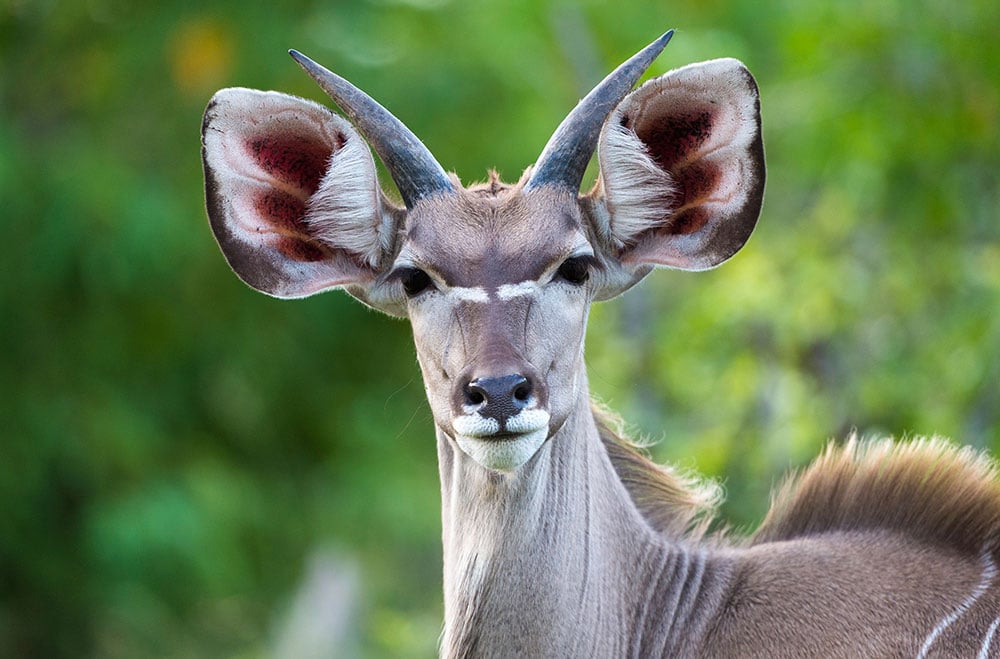
  • Other large mammals: hippo, giraffe, zebra, sitatunga, lechwe, gemsbok, sable, kudu and many more. African wild dog in some places.
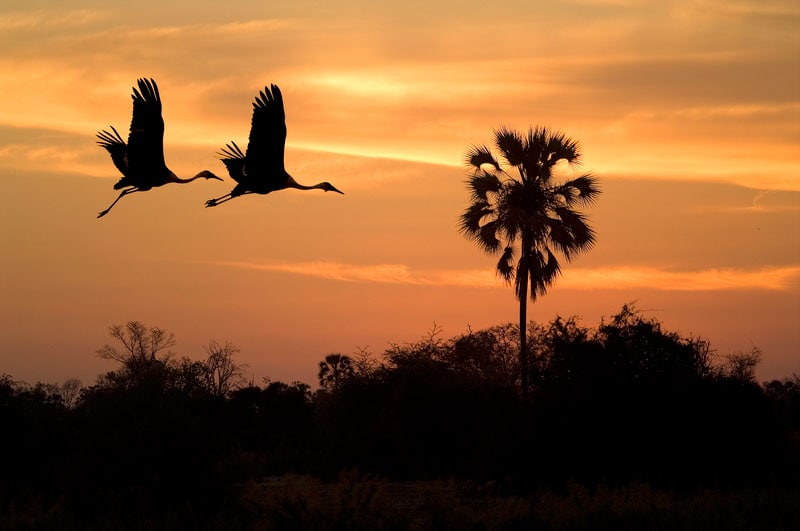
  • Birdlife is excellent—especially in wet/green season. Water birds in the delta, migratory species, etc.
  • Unique landscapes also bring unique sightings: desert species in Kalahari, pan ecosystems, nocturnal animals in remote camps.

However, wildlife sightings are never guaranteed. Guides use their experience, tracking, knowledge of seasonal patterns, and local conditions to maximize chances.

  • Health & vaccinations: Malaria risk exists, particularly during wet/green seasons. Travelers should consult a travel clinic about prophylaxis, vaccinations (yellow fever if required, etc.), insect repellent, etc.
  • Travel documents / visa requirements: Vary by country of origin; passports often required to have validity beyond travel date; check visa entry requirements well ahead.
  • Safety in camps: Many camps are unfenced; wildlife is wild. Follow guides’ instructions, avoid wandering alone, respect wildlife distances.
  • Weather extremes: Nights in dry season (especially in Kalahari) can get very cold. Wet season can bring heavy rains, muddy / difficult roads.
  • Transport & access: Many camps are accessed by light aircraft or charter flights; remote camps might require small-plane transfers. Road travel is possible but requires 4×4. Logistics (flight schedules, water levels, flood access) influence itinerary.
  • Minimum time: 3-5 nights if you’re doing a short safari, visiting one region (e.g. Chobe or a camp in the Delta).
  • More ideal: 7-10+ nights to explore multiple regions (e.g. Delta + Chobe + Pans) without rushing, allow for rest days, travel between camps, and different activity types (boat, water, land, cultural).
  • For travelers with more time, combining Botswana with neighboring countries (Namibia, South Africa, Zambia, Zimbabwe) can make for an extended safari/adventure route.
  • Boat safaris and mokoro (dugout canoe) trips, especially in the Okavango Delta during high water.
  • Walking safaris in private concessions or guided nature walks.
  • Night drives (where permitted), to see nocturnal wildlife.
  • Birding and photographic safaris.
  • Cultural experiences: visiting San / Bushmen communities, local villages, learning about traditional ways of life.
  • Stargazing in remote areas (little light pollution).
  • In certain places, adventurous extras such as quad biking (e.g. in Makgadikgadi Pans), sleep-outs, fly camping.

Cost depends on many variables:

  • Type of accommodation (luxury vs mid-range vs camping)
  • Season (peak vs off-peak)
  • Location and remoteness (fly-in camps tend to cost more; remote lodges have higher operational costs)
  • Number of nights and regions visited
  • Mode of transfer (charter flights, road, internal flights)
  • Inclusions (are meals, park fees, transfers, guide, drinks, activities included?)

As a rough guideline: luxury camps during high season will often run $1,400+ per person per night; off-peak offer more affordable alternatives.

  • Families: Yes—many camps are family-friendly, though young children may find long drives tiring, and not all lodges accept all age ranges. Flexibility in itinerary helps (short drives, more relaxed pace).
  • Solo travelers: Yes, especially in camps that accept single-room travelers. The remote and safe nature of many regions is a plus. Guides and lodge staff often help with the logistics and social interaction.
  • Honeymooners / couples: Botswana offers many romantic lodges, private suites, exclusive experiences, remote settings — excellent for this market.
  • Photographers: Excellent opportunities year-round; especially during green season for lush landscapes or during dry season for wildlife congregations. Light conditions, dramatic skies, contrasting landscapes like salt pans or flooded deltas make for great photo shoots.
  • Most international arrivals fly into Maun (gateway to the Okavango Delta) or Kasane (for Chobe). Some entry via Gaborone, depending on origin.
  • Internal flights / chartered and scheduled air transfers are common, especially to access remote camps or camps in the Delta. These flight schedules may depend on weather / flood levels.
  • Road transfers and 4×4 vehicles are used, but long distances make air transfers the better option. Depending on season, some roads may be difficult during rains.
  • Most safaris include transfers from airstrips to camps, or between camps. Logistics (time between camps, transit flights) should be built into itinerary, so you’re not rushed.
  • Visas & border entry: Requirements depend on your nationality; often visas can be obtained on arrival or in advance. Always check current regulations well before travel.
  • Currency: Botswana’s official currency is the Pula (BWP). Many lodges accept major credit cards; cash in small denominations is useful for tips, souvenir purchases.
  • Voltage & electricity: Many camps have electricity but may rely on solar or generators. Expect power limitations in remote sites. Bring chargers, power banks, adaptors.
  • Tipping: Customary in safari lodges; guides, trackers, lodge staff—tips are an appreciable part of income. Ask about local expectations at the time of booking.