Private South Africa Safari

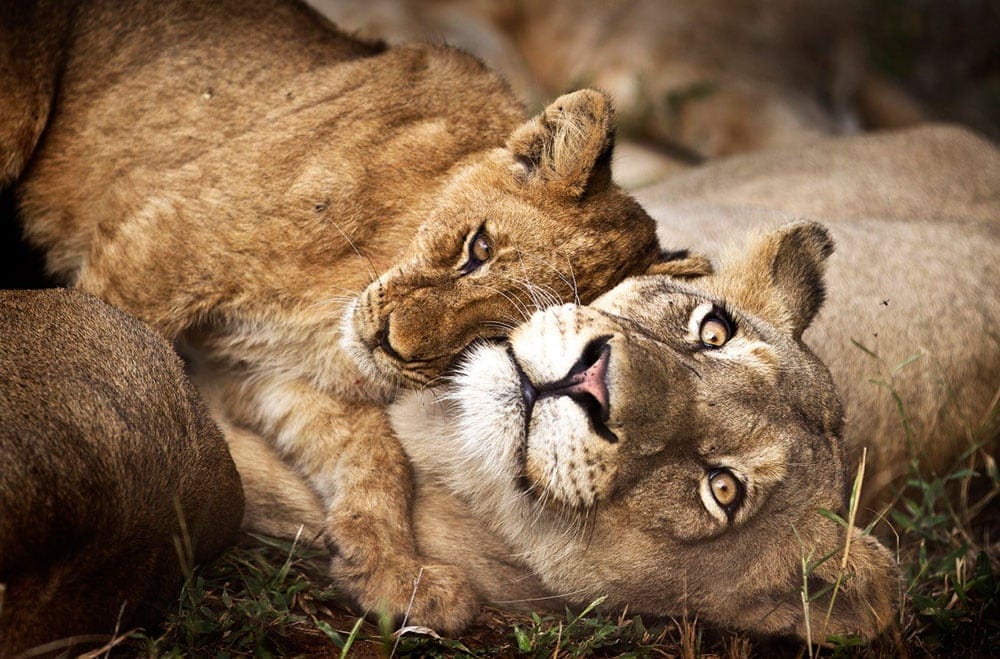
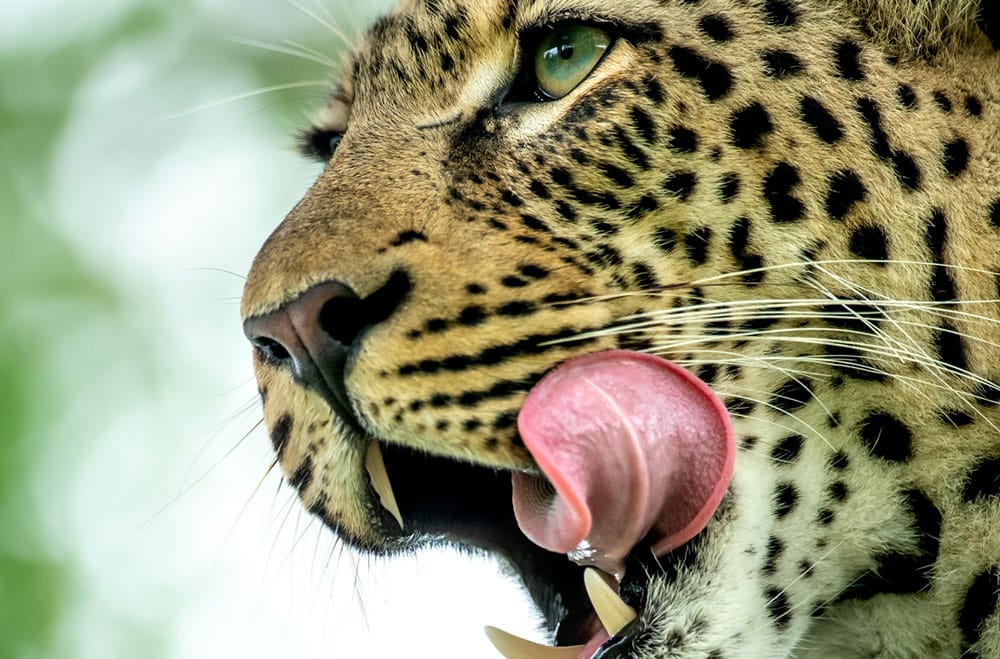
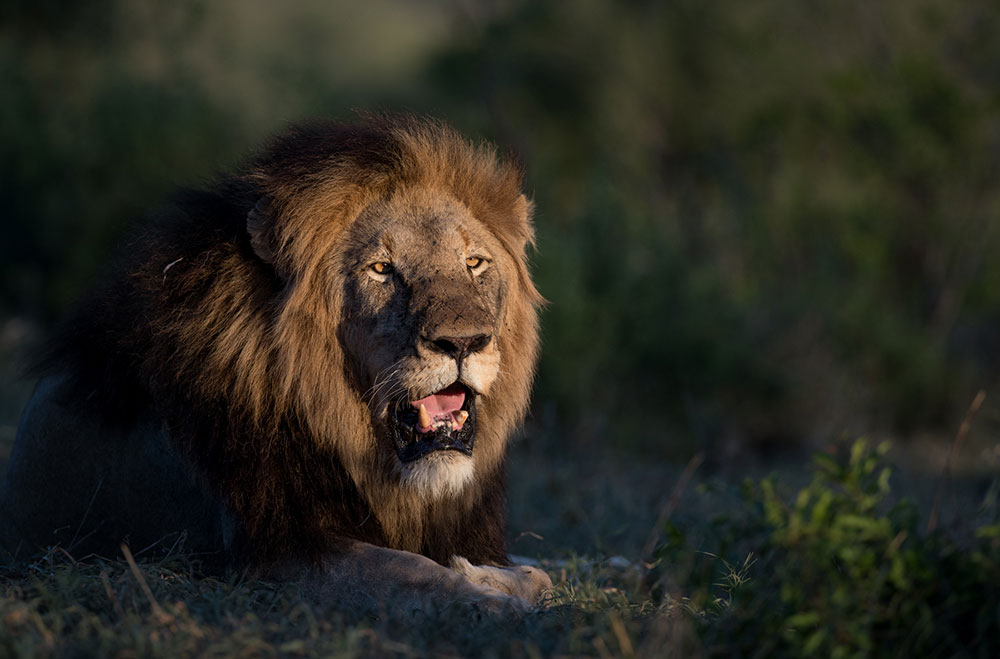
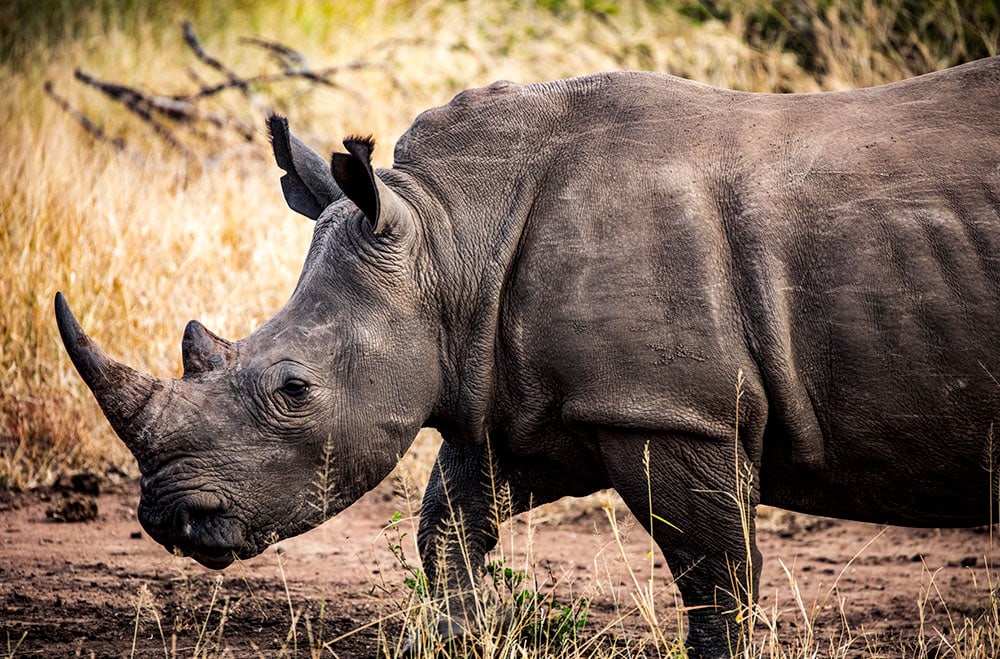
A fully customized, private South African safari is like no other in Africa. The “Rainbow Nation” of South Africa offers some of the most diverse experiences to be found—from stunning scenery to outstanding wildlife viewing, including the Big Five: lion, leopard, elephant, rhino and buffalo. It also boasts a magnificent coastline, thrilling adventure sports, a developed infrastructure and the best cuisine and wine in the whole of Africa.

South Africa is commonly referred to as a “World in One Country” with its two oceans, subtropical savannah, arid scrubland, deserts and mountain ranges. It is roughly twice the size of Texas. The country is so diverse, with its beautiful climate and flora in the southwest, high-altitude central plateau surrounded by the Drakensberg Mountains in its midsection, and the coastal plain with cliffs plunging directly into the sea in the South. In the east, the lowlands are more extensive and are best known for the rich wildlife found in the expansive Kruger National Park.

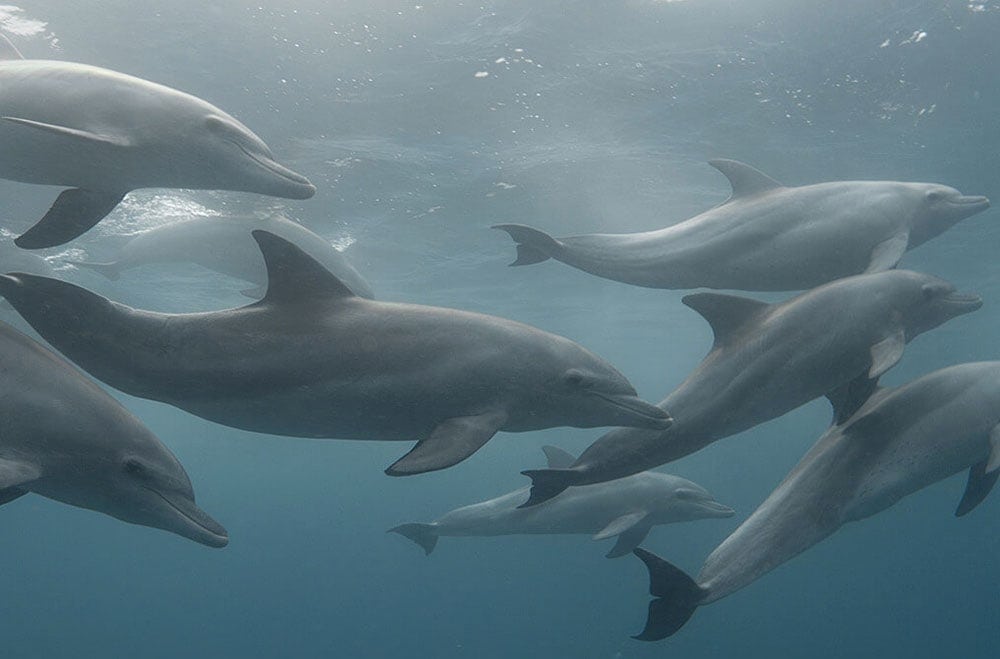
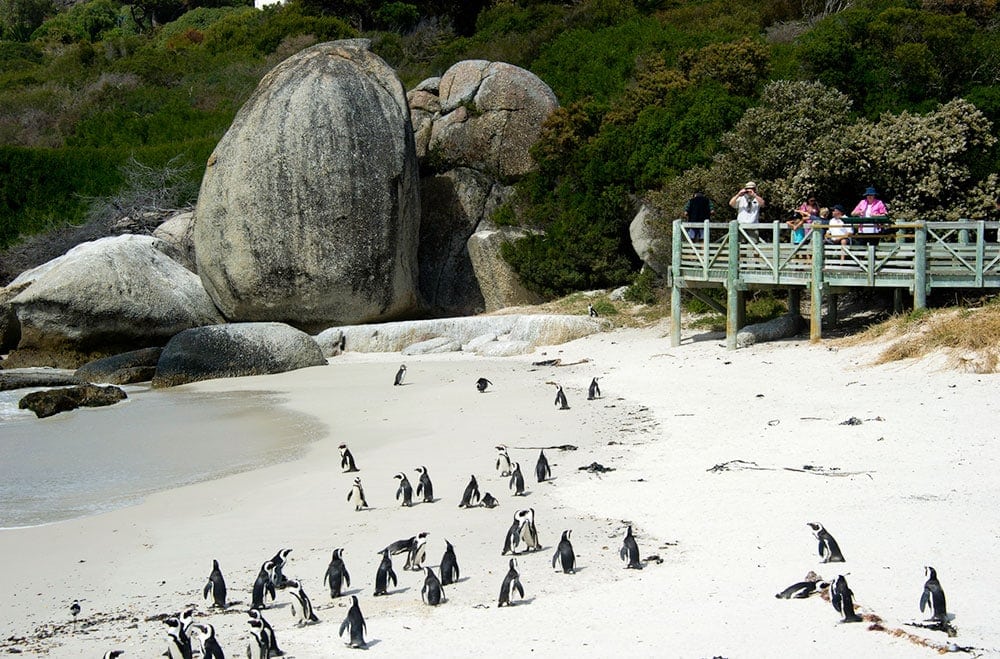
South Africa supports a great diversity of flora. The Cape Fynbos region is home to an astonishing 8,500 plant species and is considered to be one of the world’s finest floristic regions. Birdlife is also prolific throughout the country with some 600 breeding species. Virtually all Africa’s land mammals and marine life, including whales, dolphins and penguins can be found in South Africa and its surrounding oceans.

Kruger National Park, situated north of Johannesburg, is Africa’s oldest established wildlife park (1898) and offers one of the best safari experiences in Africa. Here you will have the opportunity to see the largest variety of wildlife in Africa including the “Big Five”, hippo, crocodile, giraffe, cheetah and much more. Kruger is also one of the best-maintained parks in Africa. On the park’s western border you’ll find a host of excellent private game reserves, some offering exceptionally high-quality accommodation and game viewing.

The Sabi Sands Game Reserve, adjacent to the Kruger National Park, is one such reserve and is a premier game viewing destination. It was the first private nature reserve established in South Africa. This spectacular reserve is a remarkable natural sanctuary known for its exceptionally high concentration of animal and birdlife. Safaris are led by experienced rangers in open-top land rovers, offering an adventurous discovery of the region’s prolific wildlife, including including large herds of elephant as well as cheetah, zebra, giraffe, and a variety of plains game, to name a few. Visitors can enjoy excellent wildlife viewing, dining under the stars, guided bush walks and while enjoying a stay in some of South Africa’s most luxurious safari lodges.

Cape Town is a highlight of any trip to South Africa. Its natural beauty makes it one of the most attractive cities in the world. Gorgeous beaches with Table Mountain as its backdrop can be found right in the heart of the city. With over 600 wine estates and a magnet for world-famous chefs, Cape Town is also considered the culinary and wine capital of the subcontinent. Some of the top attractions of the city include the Victoria and Albert Waterfront, Robben Island, the Townships, and the Kirstenbosch Botanical Gardens.

The Garden Route – South Africa’s Garden Route is a 124-mile drive along the southern coastline between Mossel Bay and the Mouth of the Storm River. It winds through resort towns such as George, Wilderness, Knysna and Plettenberg Bay, some of South Africa’s favorite small towns. This drive is considered to be one of the great coastal drives in the world.

south africa safari adventure

south africa cape town safari trip

south africa animal safari

south africa elephant safari

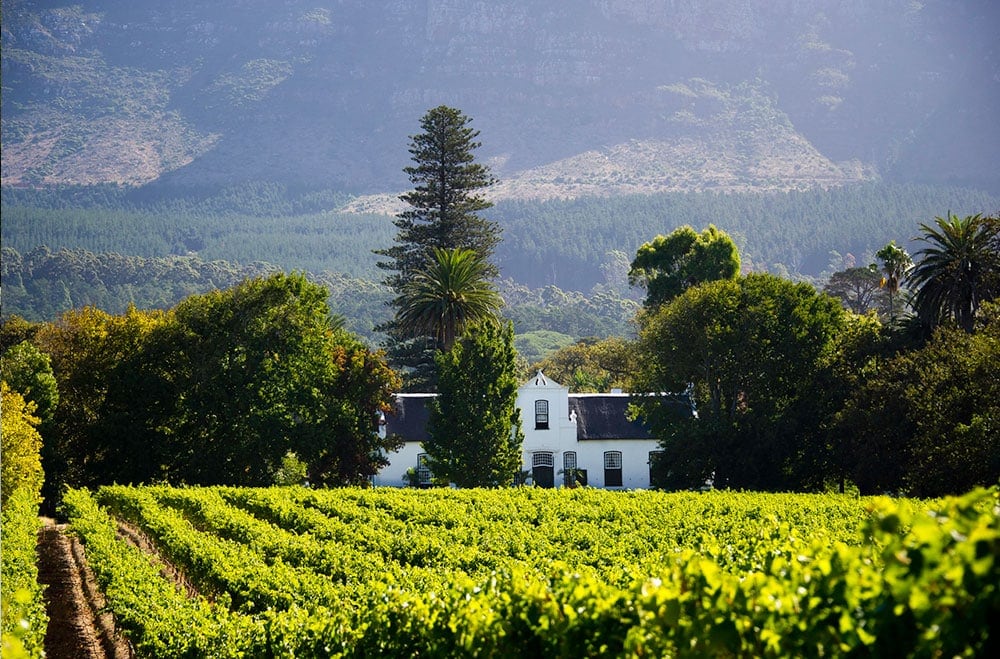
The Winelands are situated east of Cape Town among beautiful mountains creating some stunning vistas. The region is steeped in culture and history with 17th Century Dutch architecture dotting the countryside. The Winelands encompass several regions each with their own wine tasting tours. The most popular towns to visit for wine tasting include Stellenbosch, Franschhoek, Wellington, and Paarl. It is worth renting a car in Capetown and spending at least a day or two in any of these quaint, enchanting towns. There are numerous hotels at all levels available in the region and are well known for their excellent restaurants and wine.

Climate in South Africa

Summers (November to March) are warm with average temperatures around 77°F (25°C). Winters (June to August) are cool with temperatures averaging 50°F (10°C).

Suggested Customized, Private South Africa Safari Activities

  • Spot the big five on a safari in the Kruger National Park while spoiling yourself at one of the Park’s most luxurious lodges
  • Enjoy the panoramic views at Cape Point and visit the Cape of Good Hope (the south-westernmost point in Africa)
  • Stroll through the most beautiful gardens in Africa – the Kirstenbosch Botanical Gardens
  • Take a guided historical city walk through Cape Town and explore the Old Town, catch the buzz of the city in Greenmarket Square and visit Parliament where Apartheid laws were passed and repealed
  • Kayak to Boulders Beach to see the African Penguins
  • Board a boat at Simonstown Harbour and cruise into False Bay to spot the Southern-Right Whales and well as Humpbacks, Bryde’s and Orca Whales
  • Traverse the spectacular coastline of the southern tip of Africa on a Peninsula tour
  • Meander along the scenic Cape Winelands via car or bicycle sampling wines and enjoying the beauty of the surrounds and historic architecture
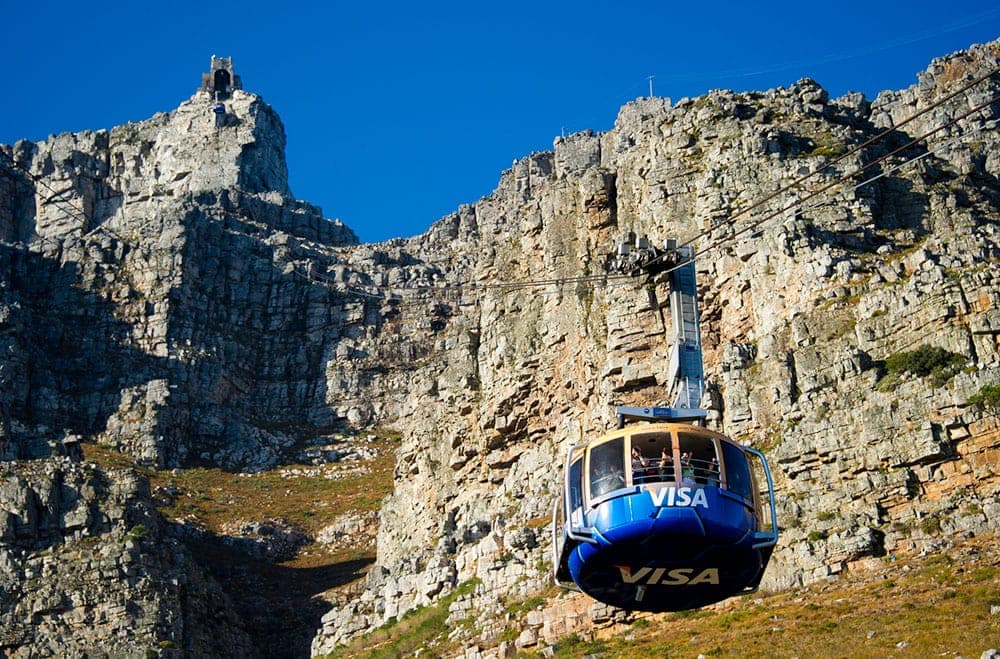
  • Walk to the top of Table Mountain for the spectacular view of the Cape Province
  • Drive the length of the beautiful Garden Route, stopping to sample the fine seafood and wine along the way

South Africa Trip Ideas - Sample Safari Itineraries

South Africa Special Safari with Rovos Rail

South Africa Special Safari with Rovos Rail

Ultimate South Africa & Mozambique Safari

Ultimate South Africa & Mozambique Safari

South Africa & Botswana Safari

South Africa & Botswana Safari

charles-williams-and-sarah-fernandes-safari-experts

Our family has been completely immersed in African wildlife conservation and safari planning since 1962. We offer unmatched expertise, knowledge and experience. Contact us today to plan your private, fully customized Botswana safari.

Plan Your Dream Safari Now

South Africa Safari & Travel FAQs

  • South Africa offers a rare combination of spectacular wildlife, diverse ecosystems, and high quality infrastructure. Destinations such as Kruger National Park, the private reserves adjacent to Kruger (Greater Kruger), Eastern Cape reserves, and others provide excellent Big Five sightings, predator action, and superb birdlife.
  • There is a strong variety of travel experiences: from luxury lodges to rustic rest camps; self-drive safaris; guided game drives; night drives; walking safaris; and game viewing both by land and along the coast.
  • The country also enables combining wildlife with cultural experiences, coastal scenery (beaches, crashing oceans), wine country, mountains, and scenic drives. This makes it ideal for travelers who want diversity in their itinerary.
  • The dry season, roughly from May through September, is commonly considered the best period for wildlife viewing in many parts of South Africa. During dry months, vegetation is sparser, waterholes are focal points for animals, making wildlife easier to spot.
  • Mornings and evenings are cooler in winter, so early game drives can be brisk. Daytime temperatures are milder.
  • The wet or “green season” (roughly October to March in many safari regions) brings lush landscapes, newborn wildlife, greater bird activity, and often fewer tourists; but some roads, trails, or viewing may be affected by rain, denser foliage, and sometimes trickier logistics.
  • If your trip includes coastal areas (Western Cape, Eastern Cape, etc.), climate and best times differ; beach-friendly weather is often during the summer in those regions.
  • Kruger National Park & Greater Kruger: Rich in wildlife, with many lodges and rest camps; regions vary in how dense they are, how remote, etc. Southern and central Kruger tend to have higher densities of wildlife and are more accessible; northern parts are quieter and more remote.
  • Private reserves adjacent to Kruger (e.g. Sabi Sands, Timbavati): Often provide more exclusivity, fewer vehicles, more luxurious lodges, sometimes off-road privileges, and excellent chances for seeing predators like leopards.
  • Eastern Cape reserves: Good for combining safari with coastal, wine‐country, or Garden Route style itineraries; also, often malaria-free or lower malaria risk.
  • Addo Elephant Park: Offers excellent elephant viewing and other Big Five species; also accessible from the Garden Route / Eastern Cape side.

As for time:

  • Minimum: 4-5 nights in a single reserve or park.
  • Ideal: 6-8+ nights if you want a more relaxed itinerary, perhaps visiting more than one region (e.g. Kruger + a private reserve + coastal region). This gives buffer for travel time, rest, unscheduled delays, and options if game sightings are slower.
  • Private lodges / luxury camps: Greater comfort, higher levels of service, private guides, sometimes exclusive rights (fewer vehicles, more freedom of movement), better amenities.
  • Self-drive vs guided:
    • Self-drive safaris are possible in many national parks, especially Kruger; gives freedom but requires more logistics (navigation, driving conditions, time).
    • Guided game drives offer expert knowledge, safety, local insight, optimal wildlife spotting, sometimes access at dawn/dusk, sometimes night drives. Private lodges/reserves generally include guided drives in their rates.
  • Pricing is very variable depending mainly on accommodation level, location (how remote the camp/reserve is), whether you choose private or public parks, whether guided drives are included, number of nights, season, inclusions/exclusions (meals, transfers, park fees).
  • In general, mid-range lodges in Kruger and nearby reserves cost significantly more than rest camp options. Luxury lodges are premium. Private reserves tend to cost more for exclusivity and better service.
  • Travel to/from the park, internal flights or road transfers, vehicle hire (if self-drive), guide fees, park entrance fees also add to cost. Sometimes tipping, extra excursions also non-included.

To give ballpark figures:

  • Mid-range safari: ~USD $900 -$1,000 per person per night might be realistic in many cases.
  • Luxury safari (premium lodges, fly-in transfers, private guides): costs can vary USD $1,100+ per person per night.
  • Always ask what’s included (meals, park fees, transfers, guide, drinks) to avoid surprises.
  • The “Big Five” (lion, leopard, elephant, buffalo, rhino) are present in many of the major reserves, especially in Kruger and private reserves in the Greater Kruger area. But seeing all of them is never guaranteed—wildlife behavior depends on many factors (season, weather, water availability, luck).
  • Beyond the Big Five, there are many other species: antelope of various kinds, giraffe, zebra, hippo, wild dog (in some reserves), hyena, many bird species (over 800 recorded), reptiles, smaller mammals, etc.
  • Some specific reserves are known for particular species: e.g. private reserves are often better for leopards; parks with rivers or water may offer hippo, crocodile sightings; coastal areas can have whales, sharks, marine life.
  • Visas / passports: Depending on your citizenship, you will need a valid passport and potentially a visa; check in advance. Passport validity (often at least 6 months) and blank pages are typical requirements.
  • Health requirements: Some areas are malaria risk zones; vaccination recommendations depend on origin. It’s wise to check for yellow fever requirements if coming via risk countries and common travel vaccinations.
  • Safety: General travel safety applies, follow guidance from your lodge/guide; avoid driving at night in remote areas; take care around wildlife; follow park rules. Lodges usually provide security, and guides are trained.
  • If doing a safari only: 4-6 nights is the minimum to get meaningful game drives, some downtime, acclimatization.
  • For combining safari with culture, coastal regions, wine country or scenic drives: 8-10 days or more is ideal. That gives time for travel between regions and for relaxing without feeling rushed.
  • Support lodges and operators that adhere to sustainable, conservation-friendly practices (habitat protection, minimal environmental impact, wildlife welfare).
  • Respect wildlife: follow park rules, keep safe distances, avoid disturbing animals, especially predators, nocturnal species, etc.
  • Be mindful of local communities: respect cultures, customs, and the heritage of indigenous people; use local guides; contribute positively (e.g. fair wages, supporting local businesses).
  • Minimize ecological footprint: avoid single-use plastics, conserve water and energy, be mindful of waste disposal, especially in remote lodges.