Private Kenya Safari

Safari is the Swahili word for “Journey” and Kenya is where it all began. Kenya has much to offer with its snow-capped mountains and Great Rift Valley, porcelain white beaches, golden deserts and tropical rain forests, beautiful lakes and expansive savannahs that possess a seemingly unending quantity and variety of wildlife. Few destinations in the world can evoke such powerful imagery as Kenya, one of Africa’s premier safari destinations.

Kenya is well known for its migration of more than one million Wildebeest and Zebra crossing the Masai Mara. As a safari adventurer, this is one of the most spectacular wilderness shows on earth. These animals make the never-ending journey of over 1,800 miles, a pilgrimage in constant pursuit of life-supporting rains and greener pastures. Close on their heels, lion, hyena, cheetah and other opportunistic predators lie in wait to pounce on this blanket of moving prey, including the sly old crocodile lying expectantly for the herds to cross the rivers.

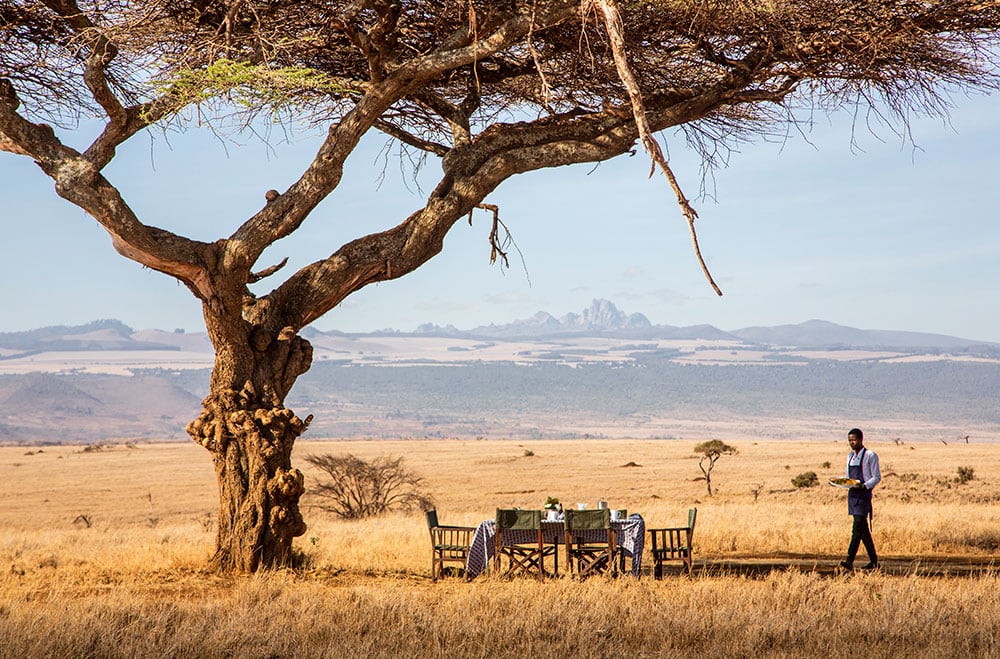
Kenya offers a wide array of game viewing opportunities with 24 National Parks and Reserves to choose from. The Masai Mara National Park is most popular due to the large concentrations of game. However, if you are seeking a more private experience, the Laikipia Reserve may be the place for you. Laikipia is off the beaten path, north of the Aberdares Mountains and northwest of Mount Kenya. It is primarily comprised of conservation ranches, developed to protect the wildlife and traditional cultures of its people, as Kenya is home to over forty tribal groups. With spectacularly beautiful settings and a dense population of wildlife and birdlife, it is an ideal location for guided walking safaris or game drives.

The country is an ornithologist’s paradise with over 1000 species of birds. The Rift Valley stretches some 2,500 miles from the Red Sea to the Zambezi River. It is one of the most distinctive ruptures on the Earth’s surface and can be seen from the moon. The Rift Valley is also where the oldest remains of early man have been discovered. There are six lakes in this region where the greater and lesser flamingos migrate in vast numbers. The lake’s abundance of algae attracts birds that famously line the shore. Lake Nakuru is the single most important foraging site for the lesser flamingo anywhere, and a major nesting and breeding ground for great white pelicans. Many other globally threatened bird species and some of the highest bird diversities in the world can be found here as well. Ornithologists have described this region as the greatest bird spectacle in the world.

Climate in Kenya

Kenya lies on the equator and has a pleasant tropical climate with daytime temperatures averaging between 20°C/68°F and 28°C/82°F. Kenya is too close to the equator to experience a real winter and summer so temperatures vary little between the seasons.

Suggested Kenya Safari Activities

  • Witness the spectacle of the annual wildebeest migration on the great plains of the Masai Mara
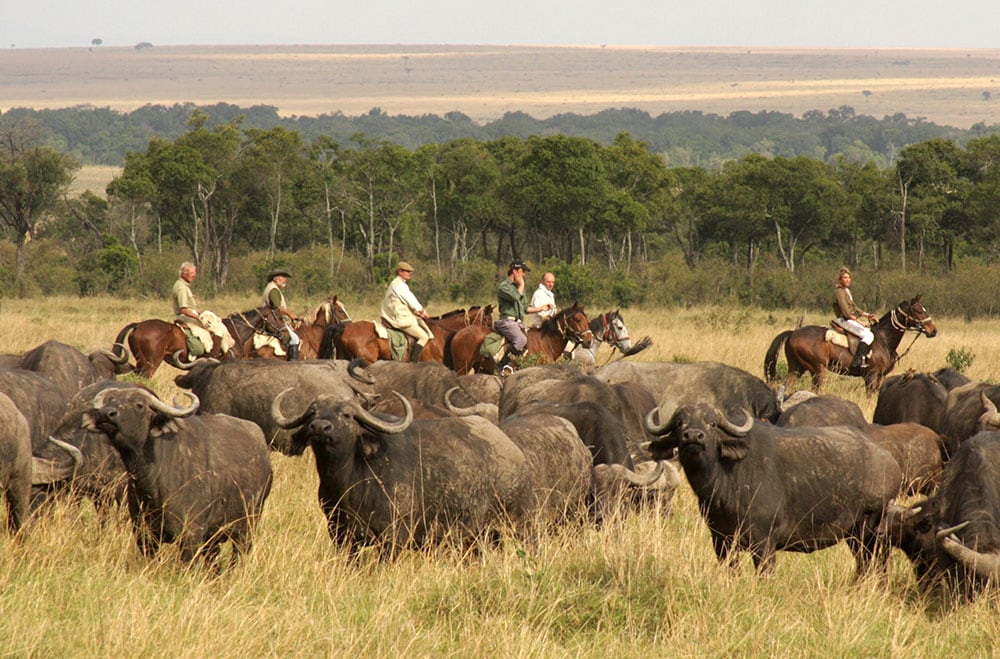
  • Ride your way across the Masaai Mara on horseback
  • View large herds of Elephant up close in the Amboseli National Park
  • Climb Kenya’s highest mountain, Mount Kenya
  • Take a game drive through Meru National Park and see its great diversity of wildlife
  • Visit the site where the oldest remains of early man have been discovered
  • Bask in the sun and walk the beautiful white sand beaches of Kenya’s Coastal region
  • Visit a Masaai village and learn about their fascinating culture
  • Journey to Kenya’s Rift Valley Lakes and experience the long-legged, long-necked pink flamingos in the thousands
  • Walk with the camels through the pristine wilderness of the Laikipia Plateau to see African’s wildlife up close

custom safari in kenya

custom kenya safari family

kenya safari luxury hotels

elephant safari kenya

Kenya Trip Ideas - Sample Safari Itineraries

Kenya – Beach & Bush Safari

Kenya – Beach & Bush Safari

Kenya & Rwanda Safari

Kenya & Rwanda Safari

Kenya Luxury Safari

Kenya Luxury Safari

Kenya Intrepid Safari

Kenya Intrepid Safari

The Best of Kenya Safari

The Best of Kenya Safari

charles-williams-and-sarah-fernandes-safari-experts

Our family has been completely immersed in African wildlife conservation and safari planning since 1962. We offer unmatched expertise, knowledge and experience. Contact us today to plan your private, fully customized Botswana safari.

Plan Your Dream Safari Now

Kenya Safari FAQs

Kenya is world-renowned for its rich biodiversity, iconic landscapes, and dramatic wildlife phenomena. Highlights include:

  • The Great Migration in the Maasai Mara—one of the world’s most spectacular wildlife events, where millions of wildebeest, zebras, and other herbivores cross between Tanzania and Kenya.
  • High densities of big game, including the “Big Five” (lion, leopard, buffalo, elephant, and rhino), especially in parks like Maasai Mara, Amboseli, Tsavo, Lewa and Laikipia.
  • Stunning settings: Rift Valley lakes, volcanic landscapes, savannas, and mountain backdrops (e.g., views of Mount Kenya and Mount Kilimanjaro).
  • Well-developed safari infrastructure: camps, lodges, guiding, and domestic transportation, plus options for all comfort levels, from rugged to ultra-luxury.

That depends on what you want to see and your tolerance for weather conditions:

Period Pros Cons
June – October (Dry Season / Peak Migration) Best game visibility (vegetation sparse), easier travel between locations, high chance to witness the Great Migration in Maasai Mara. Higher prices: camps fill up; crowds in major parks.
November – May (Wet Seasons & Shoulder Periods) Fewer tourists; lush green landscapes; newborn wildlife; often lower rates. Rain can make some roads muddy or impassable; wildlife can be more dispersed. The “long rains” typically in April/May and “short rains” in November.

Some of the most popular & rewarding safari destinations in Kenya are:

  • Maasai Mara (for migration, big cats, classic savanna scenery)
  • Amboseli (iconic views of Mount Kilimanjaro and large elephant herds)
  • Tsavo (one of the largest park systems; remote, less crowded)
  • Laikipia Plateau (blend of wildlife, scenery, community tourism, conservancies)
  • Nairobi National Park / Lake Nakuru / Lake Naivasha if you want proximity to Nairobi or amazing birding.
  • For a good, non-rushed safari: 6-10 nights give time to enjoy at least two parks or one park plus a conservancy.
  • If focused on a single park (say Maasai Mara), you could do 4 nights and have a meaningful experience.
  • If combining wildlife + culture + relaxation (or beaches), plan for 10-14 days.

Kenya offers a broad spectrum:

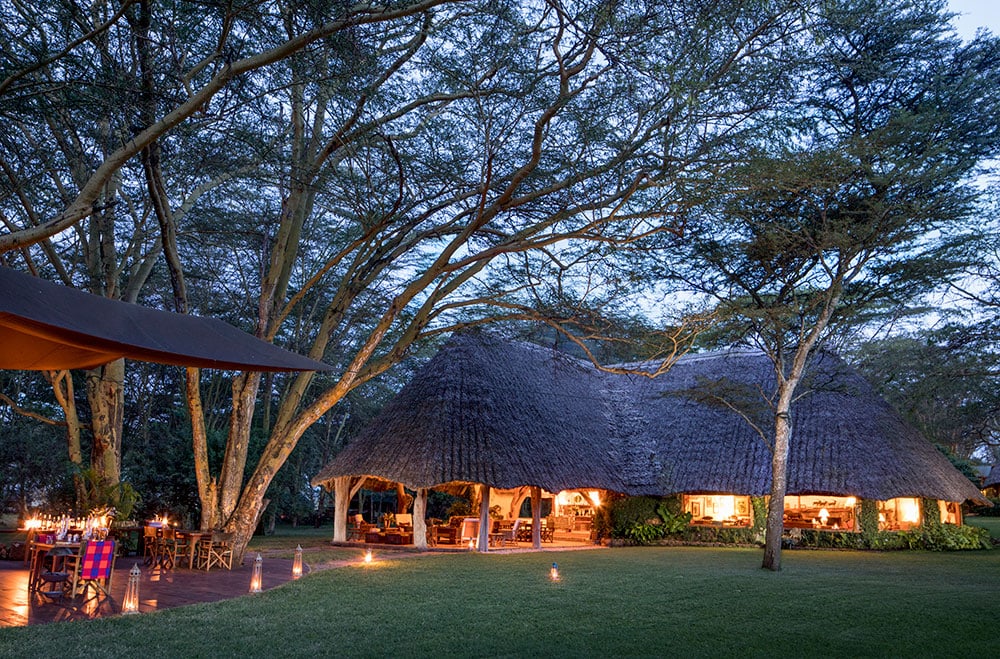
  • Luxury lodges and tented camps, often with high-end amenities, private guides, fine dining.
  • Mid-range camps / lodges, balancing comfort and cost.
  • Budget options / basic tented camps / community camps, which are simpler but can still be very rewarding.
  • Some camps are fly-in (using small aircraft) to reach remote areas, others are accessible by road transfers. Choosing depends on time, cost, and how remote you want to go.
  • Check with a travel clinic well in advance. Some recommended vaccinations may include Yellow Fever (depending on origin), Typhoid, Hepatitis A & B, Tetanus, possibly Rabies.
  • Malaria risk: some safari areas are in malaria zones. Using prophylaxis, mosquito nets, repellent, wearing long clothing at dusk/dawn can help.
  • Travel insurance is highly recommended, including medical evacuation.
  • Safety: Kenya is quite safe in major safari zones and with reputable operators. But like everywhere, basic precautions apply: avoid displaying valuables, follow your guide’s advice, stay aware of local conditions (weather, roads, wildlife hazards).
  • Most international visitors fly into Nairobi (Jomo Kenyatta International Airport). Some also enter via Mombasa if combining with coastal time.
  • Internal transfers are via domestic flights, small-chartered aircraft, or road transfers, depending on the distance and infrastructure. Some lodges/camps offer pick-ups.
  • In larger parks/conservancies, game drives are done by 4×4 safari vehicles. If needed, light aircraft or helicopter transfers are available in some remote or luxury camps.

Prices vary widely depending on many factors:

  • Level of accommodation (luxury vs basic)
  • Mode of transfer (fly-in vs road)
  • Park / region (some are more remote and expensive to reach)
  • Time of year (peak vs low season)
  • Group size (shared vs private vehicle, guide costs etc.)

To give ballpark figures:

  • Mid-range safari: USD $800 – $1,000 per person per night might be realistic in many cases.
  • Luxury safari (premium lodges, fly-in transfers, private guides): costs can be USD $1,400 – $2,600+ per person per night.
  • Always ask what’s included (meals, park fees, transfers, guide, drinks) to avoid surprises.
  • Respect local communities: many safari lodges are on or near lands inhabited by local people (e.g. Maasai). If cultural visits are part of the itinerary, be respectful, follow agreed norms, and use trusted operators.
  • Sustainable & ethical wildlife viewing: Keep a safe distance, avoid disturbing animals, support lodges/reserves that employ conservation practices, respect rules of parks.
  • Conservation fees / park fees are often used to protect wildlife—understanding how your fees contribute can be meaningful.
  • Tourism has impacts—learn about how your stay contributes to communities and ecosystems.

Yes! Safari isn’t just game drives. Additional activities often include:

  • Balloon safaris (e.g. Maasai Mara hot air balloon flights)
  • Guided nature walks or bush walks (with armed ranger in many parks)
  • Bird watching or photographic safaris
  • Cultural experiences: visiting local tribes (e.g. Maasai), markets, traditional dances
  • Lakeside relaxation (some parks / regions are near lakes)
  • Nairobi side-trips: museums, Giraffe Centre, elephant orphanage, etc.
  • If combining with a coastal extension: beaches in Kenya (like Diani, Lamu)
  • Valid passport (often required to have at least 6 months remaining)
  • Tourist ETA: You will need to apply online prior to departure for the Republic of Kenya Electronic Travel Authorization (ETA)
  • Yellow Fever certificate may be required if traveling from certain countries.
  • Travel insurance, including coverage for medical emergencies, evacuation, trip-cancellation.
  • Any permits required for specific activities (e.g. walking safaris, photography permits)—your safari operator should arrange or advise on these.
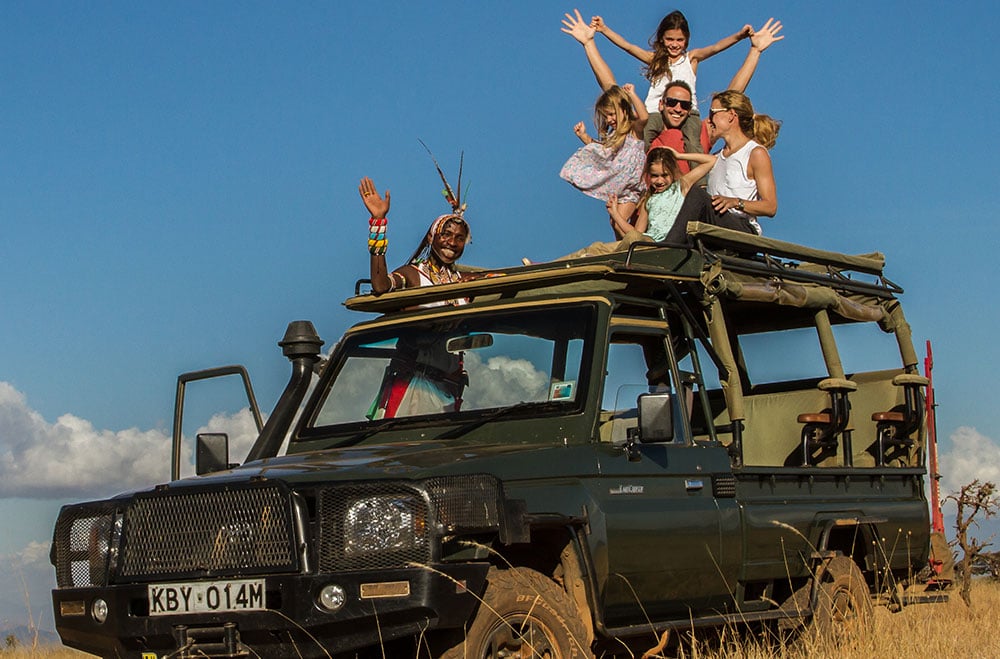
  • Safari vehicles are usually 4×4, often open-top or with pop-up roofs for viewing and photography. Seating depends on the type of vehicle, but most are equipped to carry 6 passengers, each with a window seat.
  • Vehicles may be shared among small groups or be private, depending on cost. Shared-vehicle safaris reduce cost but share viewing space. Private vehicle safaris offer more flexibility.
  • Guides are trained, knowledgeable, often certified, and part of your safari experience—they’ll find wildlife, explain ecology, safety, etc.
  • Many camps/lodges offer electricity, but it may be via solar or generator; power may be limited to certain hours. Bring chargers, adapters, backup power.
  • WIFI may be available in higher-end camps or lodges; often spotty / slower in remote areas.
  • Mobile phone coverage varies; in many parks there is partial signal, but you shouldn’t rely on it.
  • Basic amenities (hot water, flushing toilets etc.) are common in mid to high-end camps; in more remote or rustic camps, expect simpler facilities.