Private Zimbabwe Safari

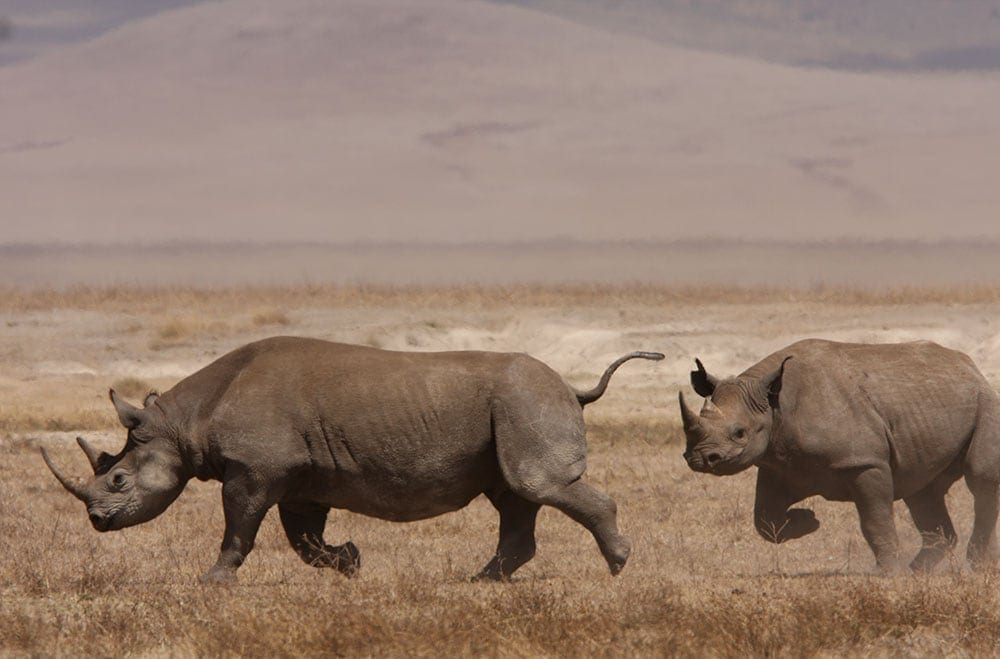
A customized, private Zimbabwe safari is an amazing adventure through a land blessed with bountiful natural resources, unspoiled wilderness, and spectacular national parks and home to iconic African species such as buffalo, elephant, black rhinoceros, southern giraffe, African leopard, lion, cheetah, plains zebra, and several antelope species. The country is extremely diverse with habitats from the imposing granite hills of Matopos to majestic mountains, lush forests, enchanting streams on the Eastern Highlands, and productive woodlands and plains in the lowlands. There is much to attract the traveler, from adrenaline adventures, wildlife viewing and scenic wonders.

The Zambezi River forms the northern border of the country and its course includes the majestic Victoria Falls, the vast Lake Kariba and Matusadona National Parks, and the legendary game viewing areas along its lower reaches in Mana Pools National Park. Forming the western border with Botswana is a vast protected area stretching through Hwange National Park, all the way to the Zambezi National Park in the North. Between the great Zambezi and Limpopo Rivers, two imposing watercourses, lies a wealth of scenic landscapes, remnants of ancient civilizations and a wildlife paradise.

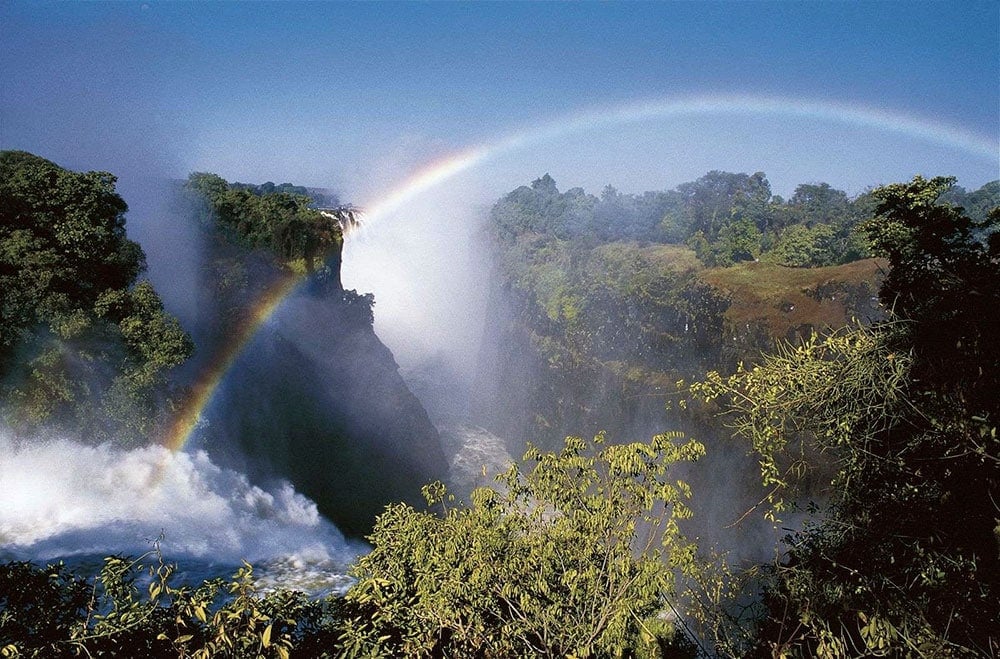
The great Zambezi River pours over the world-famous Victoria Falls, creating a spectacle of thundering water that ranges 5,600 feet wide and 360 feet high. Victoria Falls is known locally as Mosi-oa-Tunya (the smoke that thunders) due to its towering plume of spray that is visible from long distances. The Falls’ maximum flow rate exceeds that of Igauzu in South America and is more than double that of Niagara. Victoria Falls is a World Heritage Site and one of the world’s Seven Natural Wonders. It is a scenic, thrilling addition to any safari in the region. Regardless of the time of year or level of the water pouring over the edge of the falls, the sight is breathtaking. As the Adventure Capital of Southern Africa, numerous adrenalin-inducing activities are available on the Zambezi River, such as river rafting, bungee jumping, abseiling and canoeing.

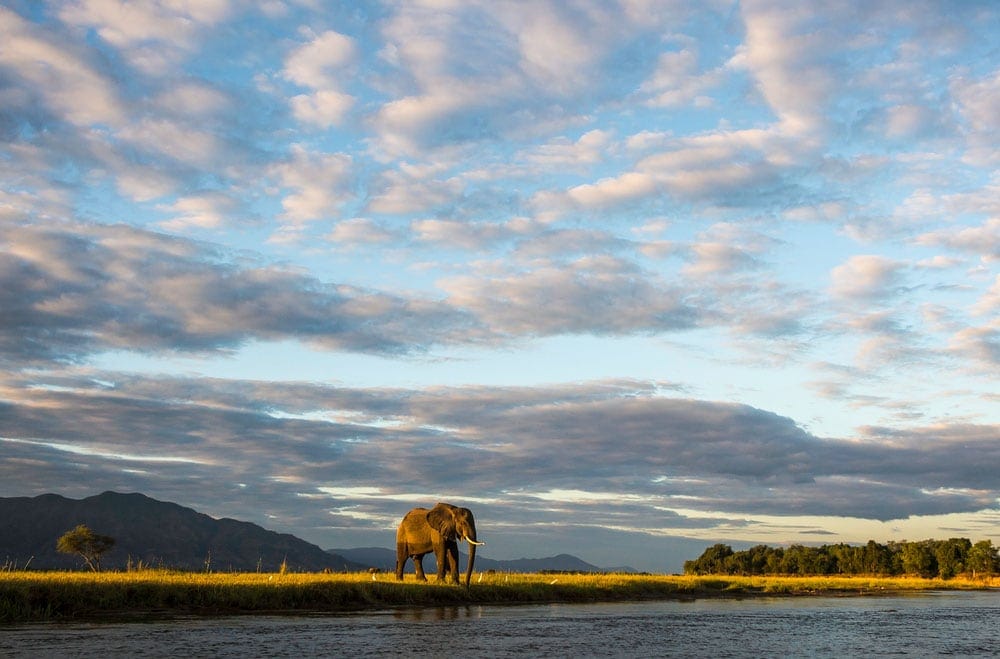
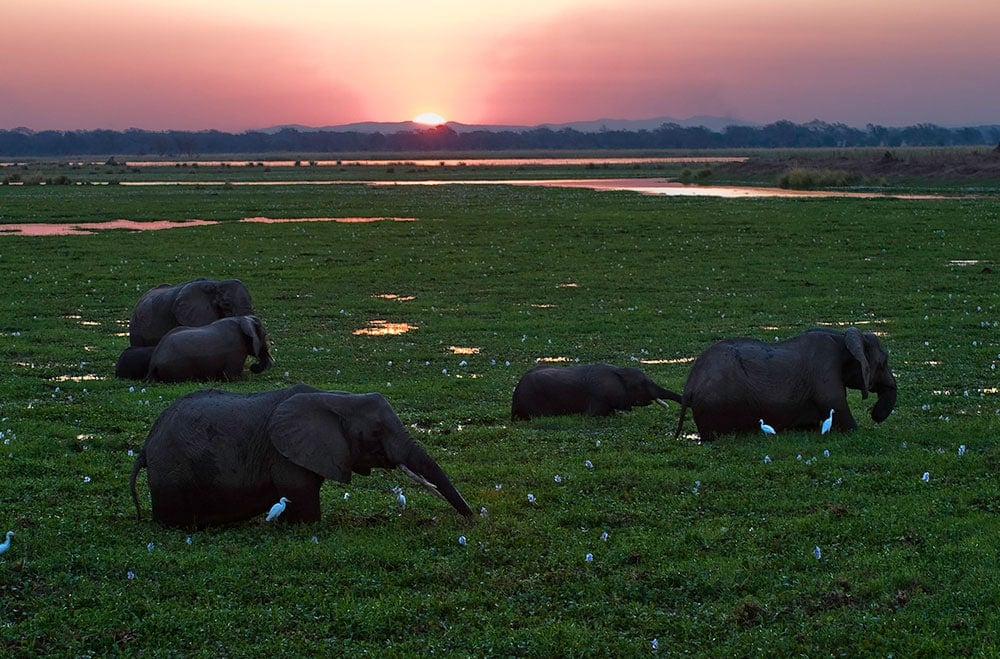
Mana Pools National Park is a wildlife conservation area in northern Zimbabwe. It is a region of the lower Zambezi River where the flood plain turns into a broad expanse of lakes after each rainy season. As the lakes gradually dry up and recede, the region attracts many large animals in search of water, making it one of Africa’s most renowned game-viewing regions. Mana Pools is considered to be an important refuge for a number of plants, birds and threatened species such as elephant, wild dog, lion and cheetah thus giving it the status as a World Heritage Site.

Hwange National Park is Zimbabwe’s largest and most popular national park, Zimbabwe’s largest national park, home to southern Africa’s last great elephant, buffalo and sable herds. Landscapes range from the rugged, hilly country of the north to vast swathes of broad-leafed woodland and teak forests across the center, and the fossil river valleys, velis and plains in the southeast. The sandy soils of the Kalahari dominate the southwest, resulting in a unique meeting of two ecosystems and their associated fauna – oryx (an arid savannah species) can be found side by side with species like sable, more at home in moist woodland. Hwange is home to some of southern Africa’s last great elephant, buffalo and sable herds.

zimbabwe historical safari

zimbabwe african safari

zimbabwe bird safari

zimbabwe adventure safari

Suggested Customized, Private Zimbabwe Safari Activities

  • Experience the thrill of the grade 5 and 6 rapids on a river rafting trip on the Great Zambezi River
  • Fly over the mighty Victoria Falls in a chartered helicopter
  • Observe one of Hwange National Park enormous elephant herds gathering at their favorite water hole
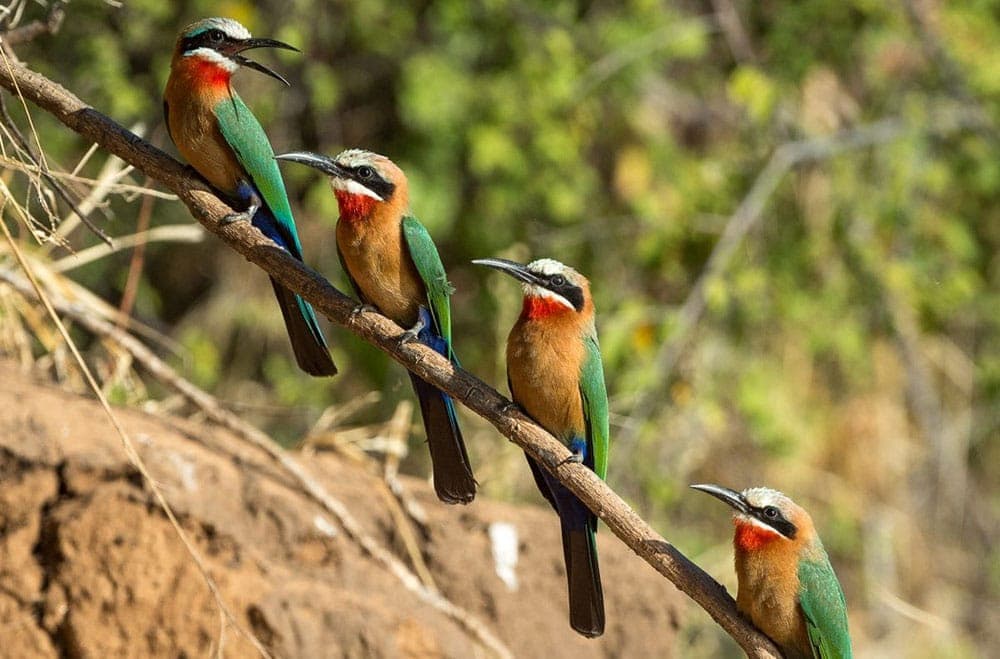
  • Spot the many rare bird species at Mana Pools
  • Bungee jump off a cliff into Victoria Falls towering plume of spray
  • Catch Tiger Fish in Lake Kariba
  • Witness one of the large wild dog herds teaming up to capture their prey in Ruckamechi Concession in Mana Pool National Park
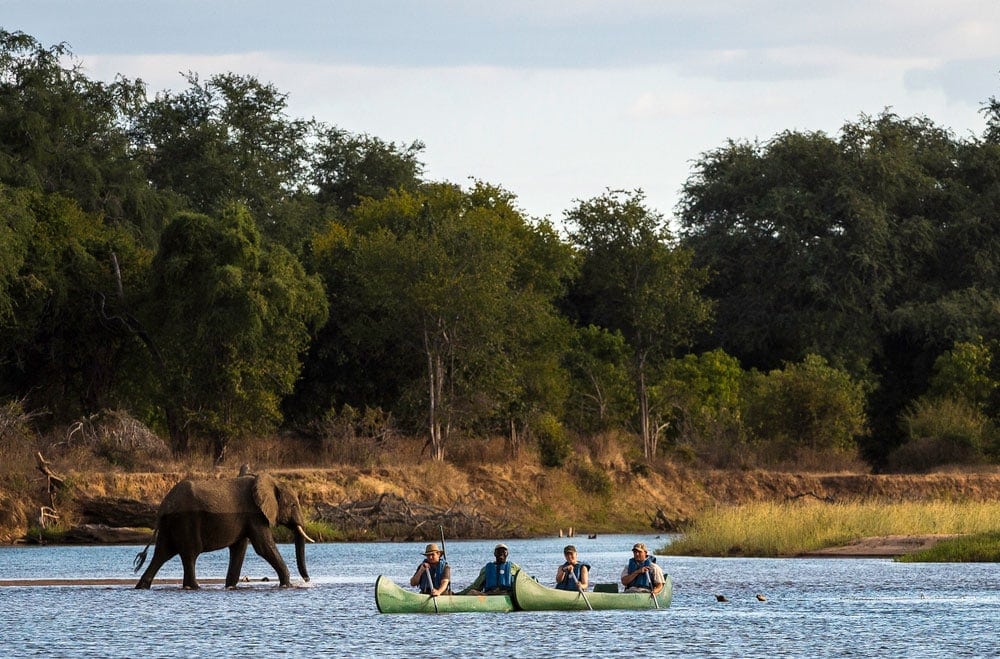
  • Cruise down the mighty Zambezi River by canoe, kayak, or boat
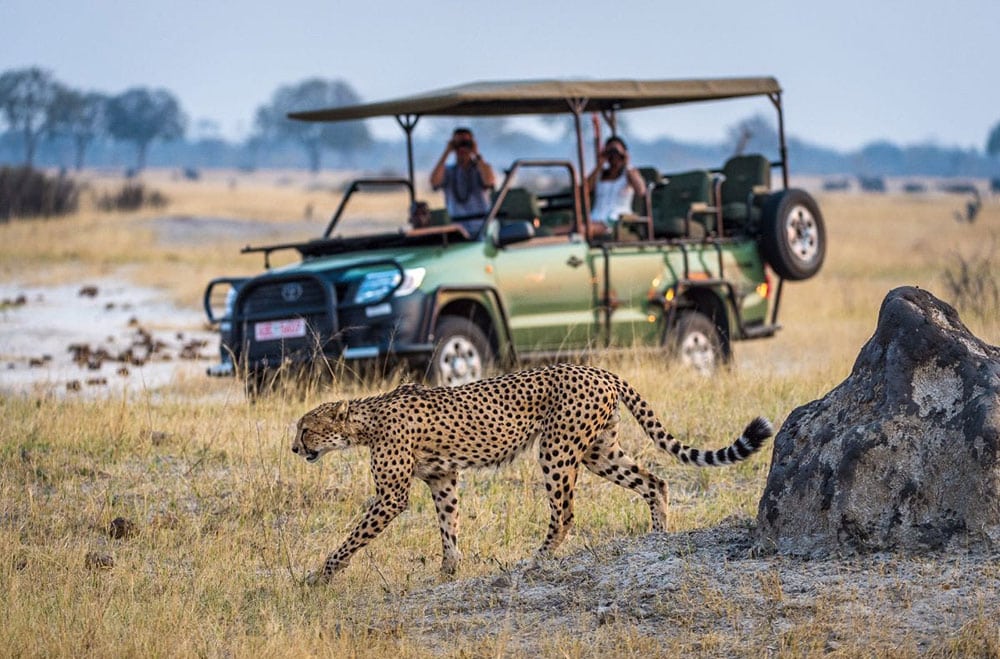
  • Take a game drive through the classic safari country in one of Zimbabwes’ scenic and wildlife-rich National Parks

Zimbabwe Trip Ideas - Sample Safari Itineraries

Ultimate Zimbabwe Safari

Ultimate Zimbabwe Safari

Zimbabwe Classic Safari

Zimbabwe Classic Safari

The Best of Zimbabwe Safari

The Best of Zimbabwe Safari

Zimbabwe & Botswana Riding Safari

Zimbabwe & Botswana Riding Safari

charles-williams-and-sarah-fernandes-safari-experts

Our family has been completely immersed in African wildlife conservation and safari planning since 1962. We offer unmatched expertise, knowledge and experience. Contact us today to plan your private, fully customized Botswana safari.

Plan Your Dream Safari Now

Zimbabwe Safari & Travel FAQs

  • Wildlife richness: Zimbabwe is home to iconic parks like Hwange, Mana Pools, Gonarezhou, Matusadona, and others where you’ll see large populations of elephants, buffalo, lions, leopards, wild dogs, hippos, and many species of antelope. Mana Pools, in particular, has floodplain ecosystems that support both terrestrial and aquatic wildlife.
  • Wilderness & fewer crowds: Many of Zimbabwe’s parks are less touristed than counterparts in neighboring countries, meaning you often get more space, more solitude, and more “untamed” safari feels.
  • Variety of safari styles: Zimbabwe offers game drives, walking safaris, canoe/boat safaris (notably in Mana Pools), river safari experiences along the Zambezi, and opportunities to combine wildlife experiences with natural wonders such as Victoria Falls.
  • Natural landmarks: Victoria Falls (“the Smoke That Thunders”) is one of the world’s great natural spectacles; Zimbabwe offers dramatic landscapes, rivers, floodplains, and diverse habitats from dry to lush.
  • Dry season (May to October): This is generally the best season for wildlife viewing. With less rain, vegetation is thinner; animals congregate around waterholes and rivers, making them easier to see. Days are warm; early mornings & evenings are cooler.
  • Peak dry months for game viewing: August, September, October are often cited as especially good for wildlife sightings.
  • Victoria Falls’ flow & views: The Falls are most spectacular in full flow shortly after the rainy season ends—usually between about February and May. If you desire less mist and more visibility close to the Falls, visiting during slightly lower flow (later dry season) helps.
  • Wet or “green” season (November to April): This brings lush scenery, fewer tourists, many newborn animals, good birding. But some parks are harder to access; roads may be challenging; visibility may be reduced due to foliage and rain.
Park / Region What’s Special Recommended Nights
Hwange National Park One of Zimbabwe’s largest parks, large elephant herds, diverse ecosystems (woodlands, pans, waterholes), excellent game drives and many species. It gives a classic bush experience.


3-5 nights (or more if combining remote camps or slow travel)
Mana Pools National Park UNESCO heritage; famed for walking & canoe safaris, wildlife along the Zambezi, intimate wilderness experience. Great for aquatic & terrestrial wildlife interaction. 3-4 nights (more if including river-based activities)
Victoria Falls & Surroundings Spectacular waterfall, adventure activities, river scenery; combines well with safari time. 1-2 nights minimum; more if you want to explore falls, local culture, relax
Gonarezhou / Matobo / Matusadona Less-visited parks; more remote wilderness, unique scenery (e.g. Matobo’s granite hills), diverse wildlife; good if you want less traffic. 2-3 nights or more depending on travel times
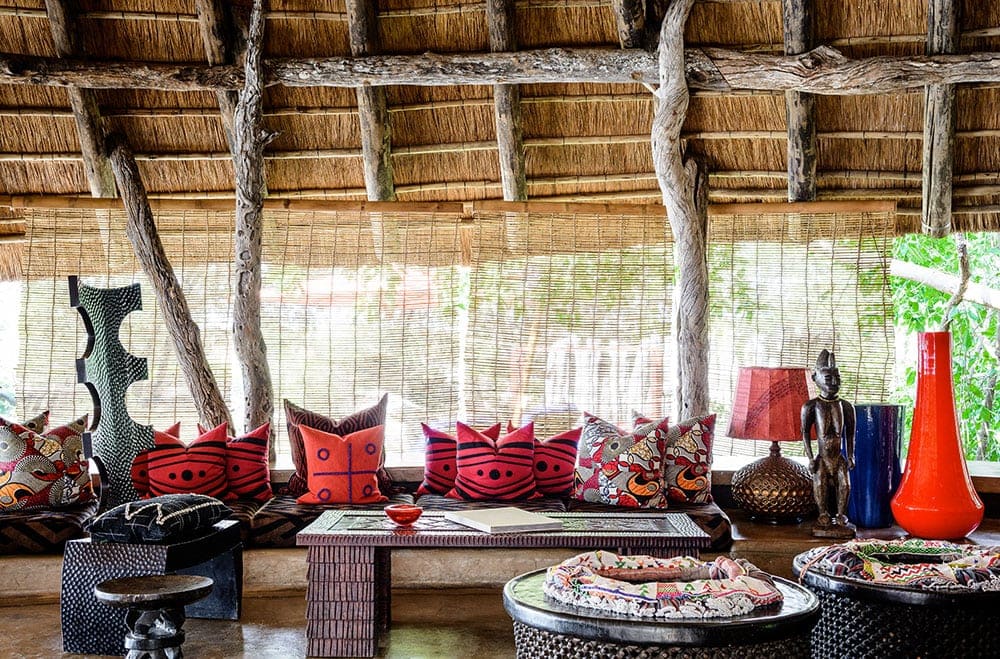
  • Accommodation range: From rustic bush camps to mid-range lodges to high-end safari lodges. Many lodges are set in remote concessions. Comfort levels differ; remote camps may be more basic but offer high immersion.
  • Safari styles:
    Game drives (morning & evening) — the classic safari style.
    • Walking safaris, especially in Mana Pools where walking up to wildlife (with armed guides) is common.
    • Canoe or boat safaris along the Zambezi in certain parks; river-based wildlife viewing.
    • Combination itineraries (wildlife + Falls + cultural experiences).
  • Access & logistics: Some parks require charter flights; others are reachable by road. Lodges in remote areas may have limited infrastructure. Expect variations in power, connectivity, and in-camp services depending on how remote you go.
  • Cost drivers include: lodge quality; remoteness of camp; whether transfers are by road or air; season (dry vs wet); inclusions (meals, guides, park fees); duration; style of safari (game drive vs walking vs canoe).
  • During the dry season (especially peak months), demand is higher, so prices tend to rise. Remote camps tend to cost more per night because of higher logistical costs.
  • Some lodges may include most safari activities, meals, and transfers; others have more à la carte pricing (you pay extra for guides, activities, or transfer).
  • Also, budget for visas, gratuities, internal transfer costs, optional extras (e.g. excursions to Victoria Falls, cultural tours, adventure sports), and for unexpected travel contingencies.
  • In general plan on $1,200 per person per night for luxury accommodations with activities, guides and meals included.
  • Passport & Visas: Passport should be valid for at least six months beyond your departure date; enough blank pages for immigration stamps. Visa requirements vary by nationality. Some visitors can get visa on arrival; many need to arrange in advance. Double-entry visas may be required if entering/leaving via neighboring countries or doing cross-border visits.
  • Health & Vaccinations: Recommended vaccinations often include routine ones (tetanus, hepatitis etc.), yellow fever if arriving from certain countries, and others as per travel clinic advice. Malaria risk exists in low-lying regions (Zambezi Valley, etc.) – take prophylaxis, use mosquito nets and repellents. Water safety, sun protection, insect precautions also important.
  • Safety considerations: Follow all guide instructions; wildlife is wild and unpredictable; stick to park rules and safety protocols; avoid venturing unaided into risky areas. Also, in some remote camps medical access may be limited; travel insurance that covers evacuation is wise.
  • Currency & money matters: Zimbabwe has a complicated currency history; hard currencies (US dollars, etc.) are commonly used in safari lodges and tourist-oriented establishments. In more remote areas, cash is essential; small denominations are helpful. Credit card use may be limited in remote camps.
  • Short safari-plus-Falls trip: 5-7 nights can allow you to combine Victoria Falls with one park (e.g. Hwange or Mana Pools) with sufficient time for wildlife & Falls.
  • Classic wildlife circuit: 8-11 nights lets you spend multiple nights in two or more parks (e.g. Hwange + Mana Pools or Hwange + Gonarezhou), allowing travel times, rest, and slower pace.
  • Extended / off-grid or photographic itinerary: 10-14+ nights for combining several parks, remote camps, walking / canoe options, perhaps add-ons such as Matobo Hills, or remote concessions.
  • Zimbabwe offers very strong prospects for seeing the “Big Five” (elephant, lion, buffalo, leopard, rhino). Some parks—especially Hwange and Gonarezhou—have large populations of elephants; others or private concessions may have rhino. However, sightings of all five species during a single trip aren’t guaranteed and depend heavily on location and luck.
  • Other wildlife: large herds of buffalo and elephant; predators including wild dogs, hyenas, leopards; many species of antelope; birdlife is excellent, especially in wet zones or along rivers.
  • Scenery: expect floodplains, rivers (notably Zambezi), forests, savanna, riverine vegetation, hills, sometimes dramatic contrasts between dry and green season landscapes. Also, natural features like Victoria Falls and the Zambezi Gorge are visually striking.
  • Walking Safaris: Particularly strong in Mana Pools, where guests may track on foot with guides. Also, in some other wilderness areas.
  • Canoe & Boat Safaris: On the Zambezi, exploring waterways, viewing hippos, crocodiles, animals drinking at river banks.
  • Victoria Falls Adventure & Scenery: Beyond wildlife, one can experience the Falls, river rafting, scenic flights, cultural tours of local villages, etc.
  • Bird Watching: Especially in wet season, along rivers, floodplains, and along waterholes. Hundreds of bird species can be observed.
  • Photographic Safaris & Luxury Camps: Parks with private concessions, fewer vehicles, longer stays give great photo opportunities, dramatic light, undisturbed nature.
  • Respect wildlife and park rules: do not approach animals dangerously; maintain distance especially for predators, big game; avoid disturbing breeding or nesting animals.
  • Conservation awareness: Zimbabwe has faced ecological and economic challenges; support lodges that contribute to anti-poaching, habitat protection, community benefit.
  • Cultural respect: Engage with local communities sensitively; observe dress codes and customs; seek permission when visiting community-based projects.
  • Leave No Trace: Minimize waste, avoid plastic pollution; respect protected areas; follow advice on water usage; avoid damaging vegetation or sensitive areas.
  • Health & hygiene: Both for your safety and that of local ecosystems (for example, cleaning footwear between walking safaris to avoid spreading seeds or pathogens).